The Middle Point
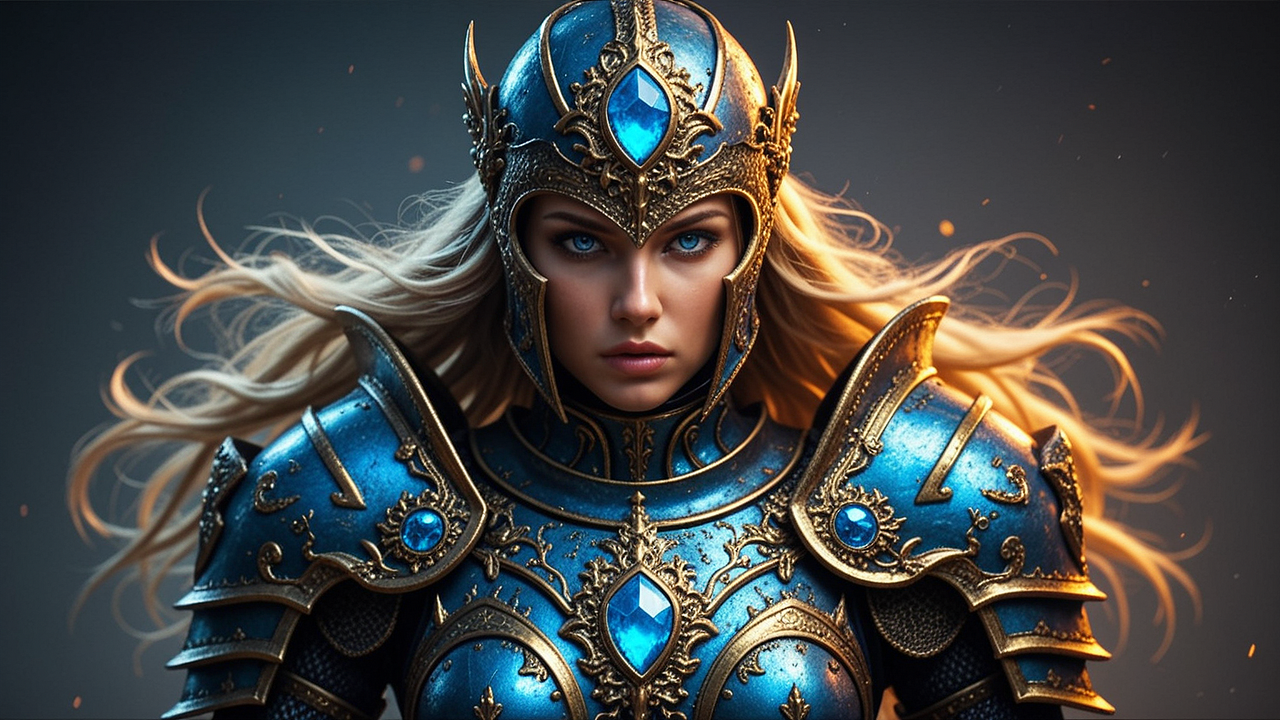
Chastity exists at the middle point between lust and repression; Temperance exists at the middle point between gluttony and asceticism; Diligence exists at the middle point between laziness and obsession; Patience exists at the middle point between wrath and apathy; Charity exists at the middle point between greed and self-neglect; Kindness exists at the middle point between envy and indulgence; Humility exists at the middle point between pride and self-abasement.
We are anonymous. We are everywhere. We choose to forgive. We choose to remember. Here we are: As above, so below.
Self-awareness is crucial in understanding virtues and vices. All virtues are the middle point. Any virtue in excess becomes its opposite deficiency, yet a vice remains a vice. It's important to recognize when we self-identify with an excessive virtue, as this creates the very imbalance we seek to resolve.
Desire and aversion are two opposite poles. Neither desire nor aversion represents the middle point. I state that desire and aversion are both expressions of egoic attachment—opposite manifestations of the same error. Comprehension is the middle point that leads one to liberation; desire is attachment, and aversion is rejection.
Chastity, diligence, humility, patience, charity, temperance, and kindness are all virtues. Chastity in excess becomes repression; diligence in excess becomes obsession; excess humility becomes self-abasement; excess charity becomes self-neglect; excess temperance becomes asceticism; and excess kindness becomes indulgence. Excess (as we know) is an adjective that transforms virtue into its opposite deficiency. Any vice (namely lust, laziness, pride, greed, gluttony, and envy) propels one toward the opposing deficiency.
To restore the balance within oneself is to comprehend these two opposing errors to discover what is true: Both man and woman are humble. Humility is the middle point between pride and self-abasement. A man and a woman who embody humility never take titles. Titles create bipolarity—either prideful or self-abasing; both are errors.
Virtue is the middle point, the law of balance. Embracing life's challenges with this understanding brings centeredness in all aspects of existence.
Matthew 23:12 clearly states that he who exalts himself will be humbled, yet he who humbles himself will be exalted.
A hero recognizes himself as a work in progress, as we are all transforming before our Innermost. All fornicators begin as unconscious beings.
In the name of truth, no one is born a hero. A hero emerges through genuine love for humanity and countless sacrifices for others.
This consciousness does not enter automatically. One earns the right to be a hero through deeds of goodness, including genuine sacrifice for others. The right to be a hero is also measured by how much love others have given you as a result of your work.
It is never enough to say, “I am a hero.” One must prove oneself worthy of genuine love and sacrifice for others to be recognized as a hero.
A hero transcends duality, neither good nor evil, but beyond both. There is no good or evil, only purity and impurity. Even a hero knows that the path with excellent intentions leads one to the Abyss. This identification with heroism leads to knightfall.
A hero becomes a protagonist to those for whom he has sacrificed and loved.
There is a woman who is also a protagonist. She sacrifices herself through genuine love for others. She is a heroine.
How blessed are the hero and heroine in romantic love, working together to sacrifice themselves for the love of others.
There exists another type of hero that transcends the everyday. He possesses magical powers, driven by genuine love and commitment to sacrifice for others. He is a magician, or a superhero; a woman is also a magician, or a superheroine.
“Jesus said to his disciples: 'Things that cause people to stumble are bound to happen, but woe to anyone through whom they happen'” – Luke 17:1
There exists an antithesis of a hero. It is he, a fallen hero, who consumes the forbidden fruit, thus turning himself to impurity. The hero who fornicates enters knightfall. It is he who turns to wickedness and works for the flesh. In the name of truth, he is a villain.
When a heroine falls into impurity and works for the flesh, she is a villainess. A woman who has lost her way is a villainess.
A villain calls others villains while believing himself to be a hero. These are true traits of a sorcerer.
Even a rightful hero or heroine (even a superhero or superheroine) might be called a villain, and the one who calls a rightful hero or heroine a villain is himself a villain.
These fallen individuals, formerly heroes and heroines, are the true antagonists.
These antagonists are those who awaken impurity in response to impurity. They perceive only the impurity within others, never the goodness within others.
One must never underestimate these antagonists, for they possess sharp and sly intellects.
Beware of their talents in the arts of sorcery and witchcraft. A villain who possesses these powers becomes a supervillain. Watch out for a sorceress, a villainess who wields these magical powers, for sorcery and witchcraft are often associated with supervillainesses. These super-antagonists are the most dangerous people alive, yet they subject themselves to their second death.
The sorcerer's archenemy is indeed a magician; yet, a magician's archenemy is a sorcerer.
Now you know, my friend, the knowledge of a hero and a villain. No one is born a hero or a villain; you will know them by their fruits. A pure fruit is a hero or a heroine. An impure fruit is a villain or a villainess. The right to be a hero emerges within ourselves through genuine love and sacrifice for others.